Publish On: Thursday, August 13, 2026
How Should Farmingdale, NY Buyers Read Prices in August 2026?
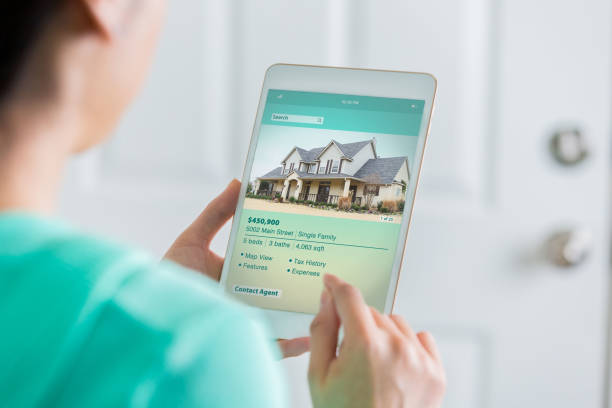
Farmingdale, NYA price on a Farmingdale listing is an invitation to investigate, not a final answer about value. Buyers should ask how that price compares with homes that are newly listed, under contract, and recently closed. I help clients separate a useful opportunity from a home that only looks attractive because of its starting number. That means reviewing condition, size, property type, and the terms that may affect the final decision. A deliberate comparison protects your budget while keeping your search open to the right possibilities.
In June 2026, new Farmingdale listings had a median list price of $769,000. Properties entering pending status during June had a median list price of $799,000. June pending listings included 13 properties entering contract status during the reported period. The median time on market for those new pending listings was 28 days. Pending listings already in that status at month's end had a median list price of $799,000. Those end-of-month pending listings numbered 38 properties across the included residential categories. June closed listings had a median sold price of $840,000. The median time on market for June closed listings was 23 days. The covered market included single-family homes, condos, townhouses, and apartments in these comparisons. The figures come from different stages of activity and should not be treated as interchangeable values.
A higher pending median than the new-listing median shows why buyers should compare stage and property mix carefully. Pending activity can reveal which listings attracted accepted offers, but it does not disclose every contract term or property difference. The number of pending properties provides context for available competition without identifying which homes match your search. Time on market helps frame urgency, yet a careful inspection remains more important than matching a general pace. Closed pricing reflects completed transactions and should be reviewed alongside condition, improvements, and concessions. Combining attached and detached properties creates a broad reference point that may not fit your preferred home type. I would use these comparisons to narrow questions, not to make a decision from a single median.
Sort your search by property type and condition before comparing prices across different homes. Ask for the most relevant closed and pending comparisons rather than relying on broad market averages. Review how long each comparable took to secure an accepted offer and what terms may have influenced that result. Inspect the property carefully for maintenance needs that could change the practical value of the asking price. Protect your budget by deciding which features are essential before competition makes every home feel urgent. Use contingencies and professional due diligence to test whether the price is supported by the property's condition. Let me help you create a comparison framework that keeps your search focused and your offers intentional.